
Fall Arrest Equipment Inspection & Tagging.
Professional six-monthly visual inspection, tagging and documented reporting for fall arrest equipment.
Onsite or drop-off
Inspection tagging
Inspection documentation
In line with AS/NZS 1891.4:2025
Each item individually identified and assessed
Pass, fail, quarantine or retirement outcome
Recorded results supplied after inspection
More than a tag on your equipment
Clear inspection outcomes and documentation to help your business manage fall arrest equipment with confidence.
Visual inspection
Equipment is checked against applicable inspection requirements, manufacturer instructions and BeSafe’s approved inspection procedures.
Tagging and identification
Each item is identified and assigned a clear inspection status to help prevent failed or quarantined equipment from returning to use.
Inspection documentation
Receive documentation showing the equipment inspected, the recorded outcome and any issues requiring action.
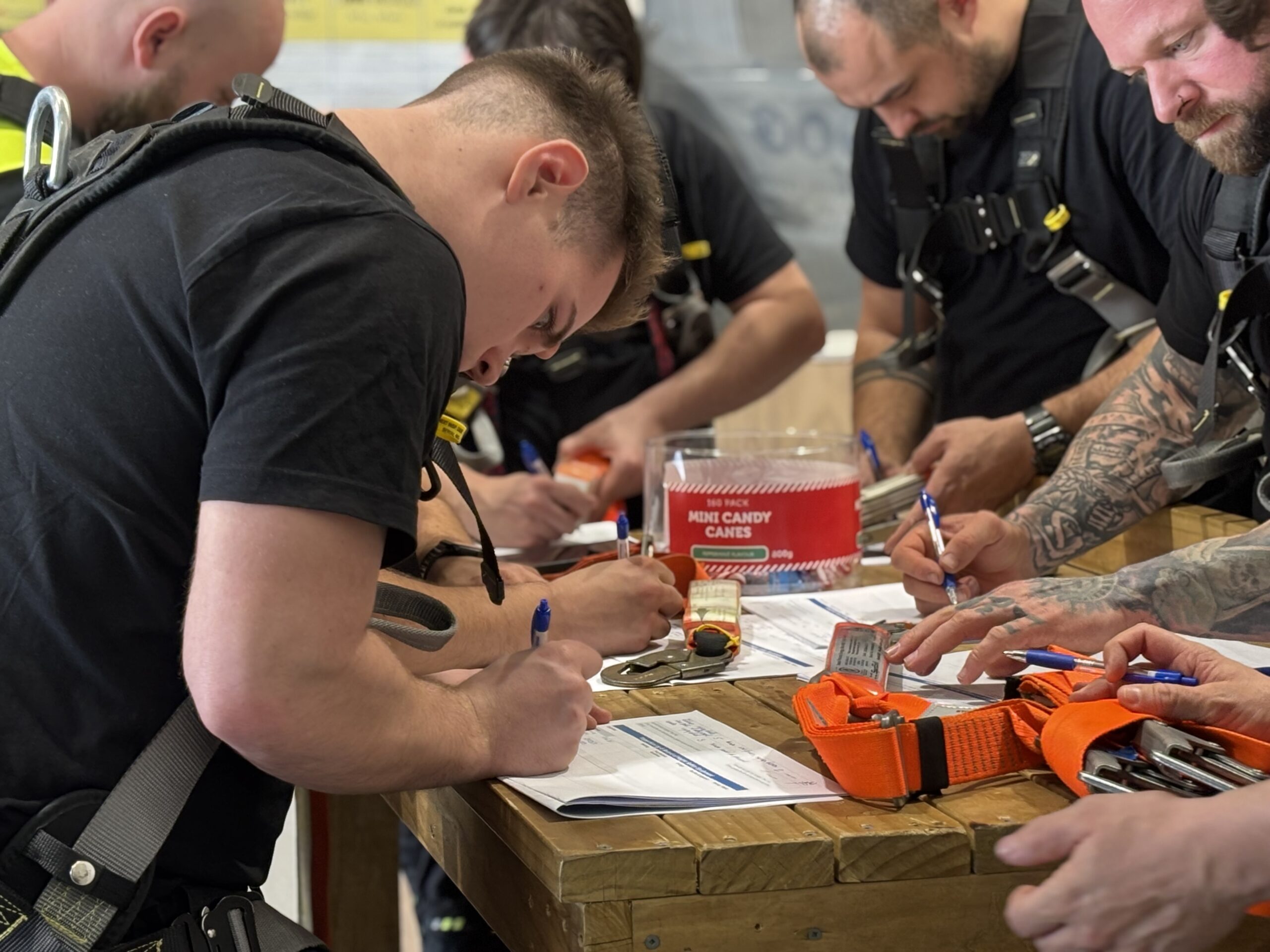
Six-monthly visual inspections
For the removable personal fall arrest equipment covered by this service, formal visual inspections are scheduled at six-monthly intervals in line with AS/NZS 1891.4:2025 and the equipment manufacturer’s instructions.
The six-monthly inspection is additional to the user’s pre-use check before each use.
Equipment must also be removed from use and assessed following a fall-arrest event, suspected damage, contamination or another event that may affect its safety.
Common fall arrest equipment
Send us your equipment list so we can confirm that each item is within the service scope and provide accurate pricing.
Harnesses and integrated harness/lanyard systems
Fixed, adjustable and twin-tail lanyards
Shock absorbers and energy absorbers
Karabiners, snap hooks and connectors
Rope grabs, rope lines and lifelines
Slings, anchor straps and temporary roof anchors
Temporary static lines and horizontal lifelines
Type 2 and Type 3 fall-arrest devices
Tripods, davits and packaged roofers or rescue kits
Type 2 and Type 3 fall-arrest devices, tripods and davits are inspected on a visual and functional inspection basis only unless otherwise agreed.
A straightforward inspection process
From initial enquiry through to documented results, the process is clear and easy to manage.
Request a quote
Tell us the equipment types, approximate quantities and inspection location.
Book the inspection
Choose an onsite visit, equipment drop-off or inspection alongside eligible height safety training.
Inspect and tag
Equipment is identified, visually inspected and assigned a clear inspection outcome.
Receive documentation
The agreed inspection documentation is supplied following completion.
Planning your inspection
How often does fall arrest equipment need to be inspected?
What equipment can BeSafe inspect?
What happens when an item does not pass?
Does equipment need to be clean before inspection?
Does the service include repair or internal servicing?
Get your fall arrest equipment inspected and documented.
Send us your equipment quantities and location, and our team will confirm the service scope and pricing.